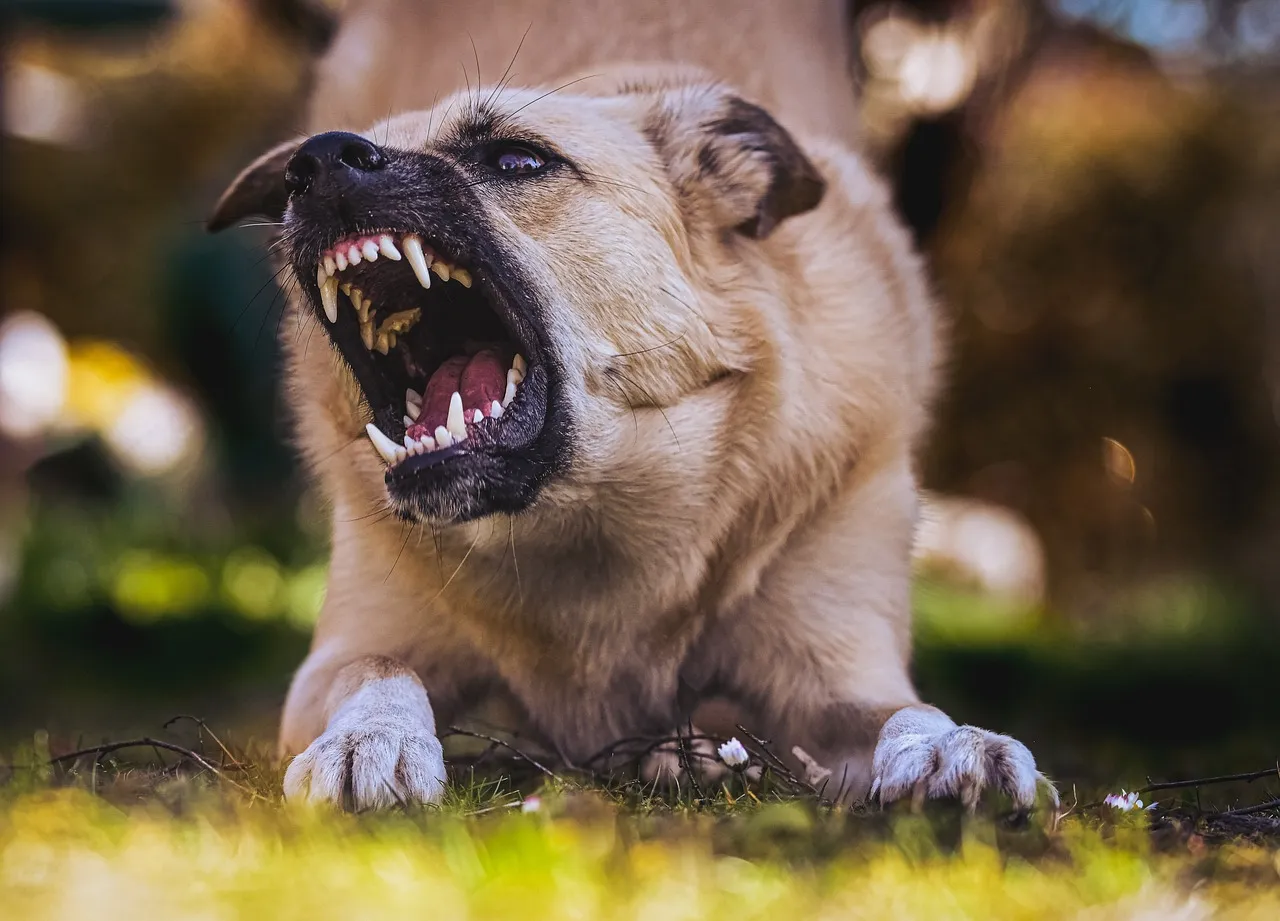
Dog bites are a serious and all-too-common occurrence, with millions of people suffering from these injuries each year. The consequences can be severe, leaving victims with physical and emotional scars. But did you know that dog bites often fall under premises liability law? Understanding why dog bites fall under premises liability can help victims seek justice and proper compensation for their injuries.
By working with Chris Morrow Law, PLLC, we can explain the connection between premises liability and dog bites, the legal responsibilities of dog owners, and how to navigate the complicated process of dog bite claims. Don’t bear the burden alone; let us stand by your side to ensure your rights are protected. Call us at 512-520-8100 for a free consultation and take the first step towards recovery and justice.
Premises Liability and Dog Bite Connections
Premises liability refers to the legal obligation of dog owners on their property to ensure a safe environment for visitors. Dog bite claims are often intertwined with premises liability claims, as victims may seek compensation for injuries sustained due to a dog attack on someone else’s property. The property owner could be held liable for a dog bite that has occurred on their private property, regardless of whether the injured individual was a visitor, trespasser, or salesperson.
The legal responsibilities of dog owners on their property include restraining the dog and alerting visitors of its aggression to prevent dog attacks. The knowledge of the dog’s aggressive tendencies and the legal status of the injured person on someone else’s property are the two primary factors that are taken into consideration in dog bite cases.
The Foundation of Premises Liability Claims
Premises liability is a concept of law that holds a property owner liable for any injuries or damages that occur on their property due to unsafe conditions. A homeowner is obliged to maintain a reasonably safe environment for anyone on their property. In dog bite cases, several elements are taken into consideration when assessing the success of the claim, including the knowledge of the dog’s aggressive tendencies, the injured person’s legal status on the property, and the property owner’s duty of care.
The duty of care of a property owner in premises liability law is stipulated as the legal obligation to sustain their property or someone else’s property in a reasonably safe condition and to address any known risks expeditiously. This duty applies to:
- Property owners
- Renters
- Lessees
- Possessors
- Any individual who has control of the property
Failure to uphold this duty of care can result in liability for injuries caused by dog bites or when someone is bitten by a dog on the property.
Dog Bites as a Form of Premises Hazard
Dog bites can be deemed a premises hazard if the proprietor does not take reasonable precautions to avert them. Property owners may limit their liability by:
- Avoiding ownership of aggressive breeds
- Securely containing dogs
- Displaying clear warnings regarding any dogs on the premises
- Having a written policy in place to address dangerous animals
Signs may demonstrate that the owner was cognizant of the possibility, but they do not exonerate an owner from responsibility.
Ensuring that hazardous animals are kept away from visitors or posting warnings regarding any dangerous canines present are two potential solutions to guarantee the safety of a property. Failure to take these precautions can result in liability for injuries caused by dog bites.
Legal Responsibilities of Dog Owners on Their Property
The legal obligations of dog owners on their premises encompass furnishing clean, wholesome, and frequent sustenance for the dog, making accessible clean water, always tethering dogs, obtaining consent from others before the dog’s interaction, collecting dog droppings, and guaranteeing that the dog is properly restrained at all times. Proper restraint and containment of a dog involves the utilization of suitable equipment, such as carriers, crates, travel harnesses, or car seats, to secure the dog during car travel, and the utilization of physical restraint techniques when handling the dog to guarantee the safety of both the dog and the handler.
Dog owners can effectively caution visitors of potential danger by:
- Utilizing neutral phrasing and explicit language in dog warning signs
- Displaying prominently visible signs at entry points
- Instructing the dog to display territorial aggression
- Being cognizant of their natural impulse to safeguard their pack and territory
Should dog owners neglect to comply with their legal obligations on their dog owner’s property, they may be held liable for any injuries caused by their dog, as well as be subject to criminal penalties such as fines and imprisonment.
Ensuring Proper Restraint and Containment
The appropriate way to restrain and contain dogs is through the use of fencing, leashing, and other measures to prevent dog bites. The legal specifications for proper dog restraints and containment in premises liability law may vary depending on regional regulations, such as leash laws, vaccination requirements, and breed-specific regulations. It is imperative for dog owners to adhere to these regulations to ensure the safety of others and to avoid liability.
The appropriate restraint and confinement of dogs can diminish the danger of dog bites by hindering them from causing harm to other animals, individuals, or property. Secure confinement and suitable training can aid in deterring dog bites and encouraging positive relationships between dogs and humans. By complying with these regulations, property owners can effectively reduce the risk of dog bites and the potential for liability.
Warning Visitors of Potential Danger
Posting signs or verbally informing visitors of the dog’s aggressive tendencies may be taken to warn visitors of potential danger. It is legally required to have clearly visible signs, such as a ‘Beware of Dog’ sign, posted at your residence to warn visitors of the potential danger posed by a dangerous or vicious dog. However, it should be noted that the presence of a sign alone does not necessarily protect one from liability if their dog bites someone.
Dog owners who neglect to alert visitors of a hazardous dog can incur severe ramifications. They may be held accountable for any traumas provoked by their dog to invited guests and can be subject to criminal sanctions such as fines and imprisonment. Dog owners are typically responsible for any traumas or damages caused by their animals, regardless of negligence.
Factors That Affect Liability in Dog Bite Cases
In many states, the owner is held to be strictly liable for any dog bites that occur, irrespective of the legal status of the injured person. The owner is obligated to provide compensation for medical bills and other damages to the injured person. The elements that determine liability in a dog bite case include the owner’s cognizance of the dog’s aggressive propensities and the injured person’s legal standing on the premises.
Knowledge of the Dog’s Aggressive Tendencies
In the context of premises liability, knowledge of a dog’s aggressive tendencies refers to the awareness or information that the owner or possessor of the premises has regarding the dog’s previous aggressive behavior or propensity to act aggressively. This knowledge can include instances where the dog has bitten or attacked someone in the past, as well as any other signs or indications of aggressive behavior such as growling, barking, or lunging at people or other animals.
If the owner knew of the dog’s aggressive tendencies and failed to take precautions, they may be held liable for the dog bite. To avoid liability, the owner should take reasonable steps to prevent their dog from biting someone, such as:
- restraining the dog on a leash or tie-down
- implementing controlled behavioral training
- keeping strangers at a safe distance
- avoiding roughhousing or sudden movements towards the owner
- taking responsibility for managing the dog’s aggression.
The Injured Person’s Legal Status on the Property
The injured person’s legal status on the property, such as being an invitee, licensee, or trespasser, can impact the owner’s liability. In states with strict liability laws, the dog owner is typically held responsible for injuries caused by their dog, regardless of the injured person’s legal status. Conversely, in states without strict liability laws, the injured person may need to demonstrate that the dog owner was negligent or that the dog had vicious propensities.
If the injured person was trespassing on the owner’s property, the dog owner may not be held liable in certain states. However, some exceptions may apply, such as if the owner acted irresponsibly or created a hazard that caused harm to children.
When Dog Owners Are Held Strictly Liable
Dog owners may be held strictly liable for dog bites in some states, regardless of negligence. However, exceptions may be applicable, including provocation or trespassing. Strict liability regulations pertaining to dog bites indicate that a property owner can be held accountable even without a demonstration of negligence. This means that the owner is obligated to provide compensation for medical bills and other damages to the injured person, even if they took reasonable measures to prevent the dog bite.
In states where the one-bite rule is enforced, a dog owner is not liable for the first bite or attack by their dog, provided that they had no prior knowledge of the dog’s dangerous propensities. However, once the owner is cognizant of their dog’s aggressive behavior, they can be held accountable for any subsequent bites or attacks.
Navigating Dog Bite Claims: Legal Steps and Considerations
Navigating dog bite claims involves documenting the incident, collecting evidence, and understanding the one-bite rule and its implications. The property owner may be held liable if they fail to contain a dangerous dog. This could open the possibility of filing a personal injury lawsuit. A legal professional from Chris Morrow Law, PLLC can assess if there is a valid case and assist in initiating legal proceedings against the liable parties to recuperate any losses relating to the incident, such as medical expenses, lost wages, suffering, and other damages.
Documenting the Incident and Collecting Evidence
Documenting the incident and collecting evidence are crucial steps in building a strong dog bite claim. At the scene of a dog bite incident, it is imperative to gather the following information:
- Contact information of the dog’s owner
- Contact information of any witnesses
- Document the injury by taking photos, if feasible
- File a dog bite report
- Seek first aid for the injury
Photographs are essential in documenting a dog bite incident, as they serve as a visual record of the injuries sustained, the severity of the bite, and the overall impact on the dog bite victim.
These photographs can be utilized to bolster a personal injury claim, provide an accurate representation of the incident, and aid in determining liability. In addition to collecting photographic evidence, it is important to gather witness statements and medical records that support the claim. This documentation can help establish a strong case and increase the likelihood of a successful outcome.
Understanding the One-Bite Rule and Its Implications
The one-bite rule holds dog owners liable for injuries caused by their dogs if they are aware or should be aware that the dog has a propensity to bite or act in a dangerous manner. This rule is subject to variation depending on the state, with some states following a strict liability approach in which the owner is responsible for any injuries caused by their dog, while other states adhere to the ‘one-bite’ rule in which the owner is only held liable if they had prior knowledge of the dog’s dangerous behavior.
The one-bite rule limits the dog owner’s liability to their knowledge that their dog is violent. In certain jurisdictions, the dog owner can only be held liable for injuries if the dog has previously bitten someone or exhibited violent behavior. Understanding the one-bite rule and its implications for liability in dog bite cases is essential in navigating the complex legal landscape surrounding these incidents.
Assessing Insurance Coverage in Dog Bite Incidents
Assessing insurance coverage in dog bite incidents is essential, as homeowners’ and renters’ policies may cover dog bites, but certain breeds may be excluded. Homeowners’ insurance policies commonly provide liability or medical payment coverage in the event of a dog bite incident. However, it is regularly observed that the following breeds are excluded from dog bite coverage in insurance policies:
- Rottweilers
- Pit bulls
- German shepherds
- Chow chows
- Numerous wolf breeds
Renter’s insurance typically provides coverage for dog bite incidents, unless the dog is included in the restricted breeds list or has a prior record of biting someone. It is important for dog owners to review their insurance policies to ensure they have adequate coverage in the event of a dog bite incident.
Our Approach to Defending Your Rights in a Dog Bite Case
Our approach at Chris Morrow Law, PLLC to defending your rights in a dog bite case involves:
- Building a strong premises liability claim
- Pursuing maximum compensation for damages
- Gathering evidence
- Interviewing witnesses
- Working with professionals to build a solid premises liability claim for dog bite victims
In addition to constructing a strong claim, we aggressively pursue maximum compensation for damages, including medical expenses, lost wages, and emotional distress.
Building a Strong Premises Liability Claim
In order to construct a premises liability claim for a dog bite incident, it is generally necessary to undertake the following steps:
- Investigation
- Establishing negligence
- Proving causation
- Documenting damages
- Negotiation or litigation
We gather substantial evidence indicating that:
- The injury occurred on the property of another entity
- There was negligence on the part of the property owner as the cause of the dog bite
- There are damages incurred from the dog bite, such as medical expenses, pain and suffering, and any other losses.
Our team of legal professionals at Chris Morrow Law, PLLC is dedicated to providing guidance and representation throughout the process, ensuring that your rights are protected and that you receive the compensation you deserve. We will work tirelessly to build a solid case on your behalf and negotiate with the responsible party or their insurance company to achieve a positive outcome.
Pursuing Maximum Compensation for Damages
In order to pursue maximum compensation for damages in a dog bite case, one must assess the extent of the injuries, gather evidence, calculate the financial losses, and negotiate with the responsible party or their insurance company. The average dog bite settlement amount can range from $10,000 to $100,000, depending on the case factors. We will work diligently to ensure that you receive the maximum compensation possible for your injuries, including medical bills, lost wages, reduced earning capacity, physical pain, and mental or emotional suffering.
Our team at Chris Morrow Law, PLLC is committed to providing you with the legal representation and guidance you need to navigate the complex legal landscape surrounding dog bite claims. We will work tirelessly to ensure that you receive the compensation you deserve for your injuries and the impact they have had on your life.
How Chris Morrow Law, PLLC Can Help You
Understanding the connection between premises liability and dog bites is essential for victims seeking justice and proper compensation for their injuries. By being aware of the legal responsibilities of dog owners, the factors that affect liability in dog bite cases, and the process of navigating dog bite claims, victims can be better prepared to seek the compensation they deserve.
At Chris Morrow Law, PLLC, we understand the physical and emotional toll that dog bites can have on victims and their families. Our team of legal professionals, including a dedicated dog bite attorney, is committed to providing you with the experienced guidance and representation you need to ensure your rights are protected and that you receive the compensation you deserve.
Chris Morrow Law, PLLC – The Lawyer That Works
At Chris Morrow Law, PLLC, we want legal representation to be available to all, no matter what their situation. Our passion is seeking the fair and reasonable treatment, compensation, and justice you deserve. We will work tirelessly around the clock to ensure you have the highest chance of success.
Our attorneys have a long history of successful cases, and our long list of happy clients speaks for itself. We are as skilled in the courtroom as we are outside of it, so you can rest easy knowing that we are the right team for the job, whether that is seeking a quick and fair settlement or going the distance in court.
Our team of highly experienced Austin dog bite lawyers has been fighting compassionately on behalf of our clients since 1994, giving us over 25 years of experience. If you or a loved one has been the victim of a dog bite, contact us at 512-520-8100 for more information on how we can help you with your dog bite claim.
Frequently Asked Questions
Does general liability cover dog bites?
Yes, general liability insurance generally covers legal expenses related to dog bites, up to the policy limits. These limits typically range from $100,000 to $300,000. Any claims exceeding the limit would then be the responsibility of the dog owner. However, the final amount can vary significantly based on the unique circumstances of each case.
Am I liable if my dog bites?
In most states, dog owners are typically liable for any injuries or property damage their pet causes. In some cases, another person may also be liable along with the owner. Unless the injured person was trespassing or the dog was provoked, the owner will generally be required to cover damages associated with the bite.
Why do people sue for dog bites?
People sue for dog bites to seek compensation for physical pain and suffering, medical expenses, and permanent or temporary disabilities that may have been caused by the attack. Dog owners are typically held legally responsible for any harm their pets cause, so filing an insurance claim or suing them is an option for injured individuals.
What factors affect liability in dog bite cases?
Several factors can influence liability in dog bite cases, such as the owner’s knowledge of their pet’s potential for aggression and the legal status of the injured party on the property.