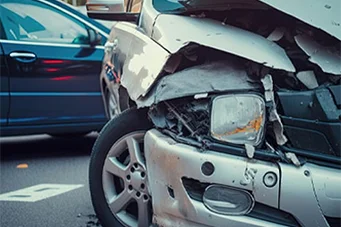
After a car accident, securing a police report quickly becomes a top priority. Knowing how to obtain a police report after a car accident can simplify your next steps, whether that’s for settling insurance matters or preparing for possible legal actions.
At Chris Morrow Law, PLLC, we understand the importance of the car accident police report from your local police department and the impact it can have on your case. Our experienced team is here to guide you through the process and ensure that you have all the necessary information to protect your rights. If you’ve been involved in a car accident, don’t wait. Call us today at 512-520-8100 to schedule a free consultation and let us help you through this challenging time.
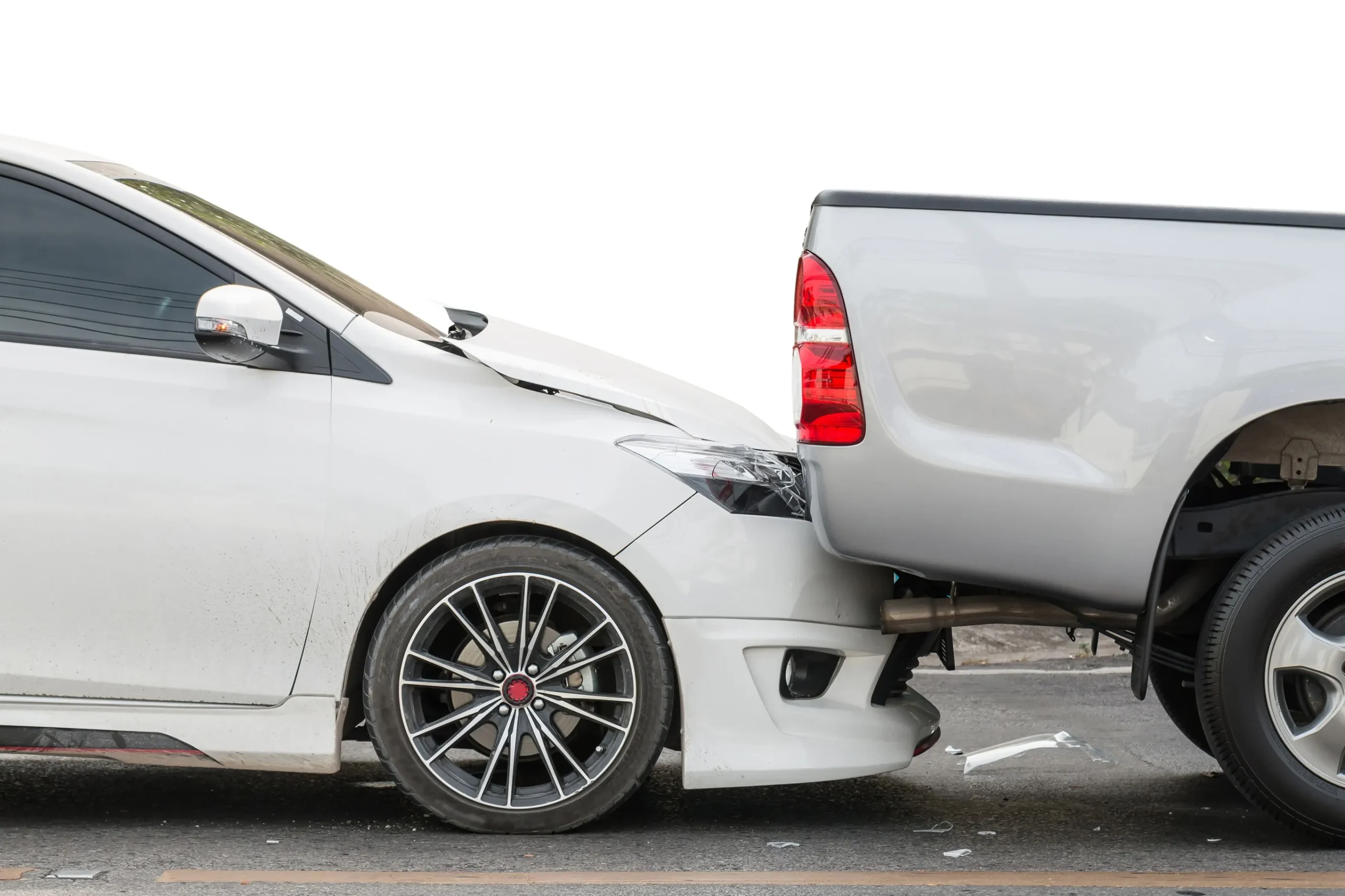
Car Accident Aftermath: Securing a Police Report Post-Collision
A police report is a vital document that encapsulates the specifics of your car accident. Compiled by impartial law enforcement officers, these reports serve as objective accounts that do not favor any party involved. A police report’s significance extends far beyond the scene of the accident. Insurance companies and legal professionals heavily rely on these reports to:
Having a police report can greatly strengthen your case when dealing with insurance claims or legal proceedings. It provides an official record of the accident and can help ensure that you receive the compensation you deserve.
The process of obtaining a police report can prove challenging. The report may contain inaccuracies if the officers did not witness the actual collision. That’s why a careful review of the police report for factual accuracy is paramount to avoid any negative impact on insurance settlements or legal cases.
The Role of Responding Officers in Your Car Accident
In the chaos and confusion of a car accident, the role of law enforcement officers, including the police officer, the responding officer, and the investigating officer is pivotal. Their primary goal is to ensure the safety of all individuals involved and secure the scene for an efficient emergency response. As a skilled law enforcement officer, the investigating officer is in charge of gathering detailed information, analyzing the accident scene, and creating the police accident report at the local law enforcement office.
From conducting driver and eyewitness interviews to assessing vehicle positions and skid marks, officers collect a wealth of information that forms the basis of the police accident report. Based on their findings, officers determine the cause of the accident and who is at fault, all of which are meticulously detailed in the police report.
Requesting Your Collision Documentation
Having grasped the relevance of a police report and the part played by responding officers in your car accident, it’s time to explore the process of obtaining your collision documentation. This involves pinpointing the right avenues for your request, furnishing the necessary details, and submitting the requisite form, which can be crucial for a successful car accident settlement.
Identifying the Proper Channels for Your Request
To obtain a police report, follow these steps:
- Reach out to the traffic division of the local law enforcement agency that responded to the accident scene.
- Provide them with the necessary contact details.
- Be patient while waiting for the report to be processed and released.
What You’ll Need to Make Your Request
When requesting a police report, certain pieces of information are crucial. These include the incident report number, date, time, and location of the accident, along with personal information. Providing additional information such as the law enforcement officer’s name, badge number, and incident report number can also be helpful.
The Next Steps After Receiving Your Police Report
Upon securing your police report, the next phase begins. The initial step involves a meticulous review of the report for correctness. In case of any inaccuracies, you have the right to request corrections by producing supporting evidence such as witness statements or photographs.
This police report, free from errors, is essential for processing your insurance claim and determining fault. It’s also a good time to consult with us at Chris Morrow Law, PLLC. We offer free initial consultations to assess your case and guide you on whether further legal representation is needed.
Critical Elements Found in a Police Accident Report
A police accident report is a comprehensive document that contains a wealth of information. It encapsulates factual data including:
- the date, time, location
- identifying details of all parties
- vehicle registration
- insurance details
- damages incurred
The accident report, created after the accident occurred, includes:
- The responding officer’s observations, opinions, and an accident diagram indicating vehicle movements
- Witness statements
- Contextual details such as location, weather, and road conditions at the time of the accident.
Why Timeliness Matters: Statute of Limitations and Your Claim
Time is of the essence when it comes to personal injury cases. In Texas, the statute of limitations for such cases is two years from the date of the accident. Failing to file a lawsuit within this timeframe means forfeiting your right to seek compensation.
Swift action within this two-year window is recommended. This approach enables the collection of fresh evidence, contributing to a robust compensation case for the parties involved, as outlined in police reports.
The Admissibility of Police Reports in Court
The admissibility of police reports in court can vary depending on the court’s jurisdiction and level. Generally, police reports are not considered findings of fact and thus are often not police reports admissible as evidence of facts in a civil trial.
Small claims courts are known for their lenient rules regarding hearsay, which usually permits the admission of police reports. In general jurisdiction courts, a police report must be timely and prepared in the course of regular police business to bypass the hearsay prohibition.
When Insurance Companies and Police Reports Collide
At Chris Morrow Law, PLLC, we have years of experience in:
- Steering conversations with insurance adjusters
- Ensuring the effective use of evidence and police reports to determine fault and obtain just compensation
- Guiding clients on what to communicate to insurance adjusters, helping avoid self-incriminating statements that might affect the claim.
In instances where an insurance company refuses to offer a fair settlement, we are fully prepared to escalate the case to court if necessary. We equip our clients with strategies for their interactions with insurance adjusters, ensuring readiness with all pertinent information, including police reports.
Our Commitment: Helping You Through the Legal Hurdles
At Chris Morrow Law, PLLC, we are committed to helping our clients through the legal hurdles that often accompany car accidents, such as dealing with the aftermath of a car crash. We have experience in challenging inaccuracies within police reports, scrutinizing the officer’s findings, and the documentation of witness accounts.
We excel in:
Chris Morrow Law, PLLC – The Lawyer That Works
At Chris Morrow Law, PLLC, we want legal representation to be available to all, no matter what their situation. Our passion is seeking the fair and reasonable treatment, compensation, and justice you deserve. We will work tirelessly around the clock to ensure you have the highest chance of success.
Our attorneys have a long history of successful cases, and our long list of happy clients speaks for itself. We are as skilled in the courtroom as we are outside of it, so you can rest easy knowing that we are the right team for the job, whether that is seeking a quick and fair settlement or going the distance in court.
Our team of highly experienced Austin car accident lawyers has been fighting compassionately on behalf of our clients since 1994, giving us over 25 years of experience. Give us a call today at 512-520-8100.
Frequently Asked Questions
How do I look up an accident report in Texas?
To look up an accident report in Texas, visit the Texas Department of Transportation (TxDOT) website. Navigate to the “Crash Records” section and follow the instructions to search for and purchase a copy of a crash report (CR-2 form) using the Crash Report Online Purchase System.
How do I obtain a police report in Texas after a car accident?
To obtain a police report in Texas after a car accident, you should request a copy from the law enforcement agency that investigated the accident. This may be the local police department, county sheriff’s office, or the Texas Highway Patrol. You’ll typically need to provide the date of the accident, the location, and the names of the parties involved.
Does the police report automatically go to my insurance company in Texas?
No, the police report does not automatically go to your insurance company in Texas. You are responsible for obtaining the report from the law enforcement agency and submitting it to your insurance provider as part of your claim.
What is the importance of a police report in a car accident?
A police report is important in a car accident because it provides an objective account of the incident, which is crucial for insurance claims and legal proceedings.
Can I dispute the information in a police report if I believe it’s incorrect?
Yes, if you believe that the information in a police report is incorrect, you have the right to dispute it. You can do this by contacting the law enforcement agency that issued the report and providing evidence that supports your claim, such as witness statements or video footage. It’s important to address any discrepancies as soon as possible, as the police report can significantly influence the outcome of insurance claims and legal matters.