As a landlord, ensuring the safety of your tenants is of utmost importance, especially when it comes to fire prevention. A single oversight could lead to disastrous consequences, putting lives at risk and potentially causing significant property damage. With this in mind, it is crucial to understand the various fire safety regulations and responsibilities that apply to rental properties, as well as the roles both landlords and tenants play in maintaining a safe living environment. There is much to know about fire safety compliance and learn what is the landlord responsible for to keep the home fire safety compliant as well as how to protect your tenants and property from potential fire hazards.

At Chris Morrow Law, PLLC, we recognize the profound importance of fire safety in rental properties. As experienced attorneys, we help guide landlords through the intricacies of fire safety regulations and ensure compliance. Our legal experience extends to helping landlords understand their responsibilities and navigate the complex landscape of maintaining a safe living environment. Whether you need assistance deciphering regulations or require legal representation in the event of a fire-related incident, our team is dedicated to providing the support you need. Safeguard your property and tenants by partnering with us to address fire safety compliance effectively. Protect your property and tenants. Partner with Chris Morrow Law, PLLC, for guidance on fire safety compliance. From understanding regulations to legal representation, our experienced team is here to support landlords. Ensure a safe living environment—contact us today at 512-520-8100.
Landlord’s Fire Safety Responsibilities
Landlords must adhere to fire safety regulations, as outlined in legislation such as the Housing Act 2004, the Regulatory Reform (Fire Safety) Order (2005), and the Fire Safety Act 2021. Failing to comply with these rules can lead to severe penalties and even endanger the lives of tenants. The primary responsibilities of a landlord regarding fire safety include providing alarms, ensuring escape routes, and utilizing fire-resistant furniture. Landlords can seek guidance from various resources, such as the Fire Safety Advice Centre and their local council, to ensure they are compliant with fire safety regulations and requirements.
Besides these key responsibilities, landlords need to carry out regular fire risk assessments and maintain fire safety equipment. Keeping abreast of legislative changes and guidelines is also necessary. This comprehensive approach to fire safety will help protect tenants and reduce the risk of fire-related incidents in rental properties.
Smoke and Carbon Monoxide Alarms
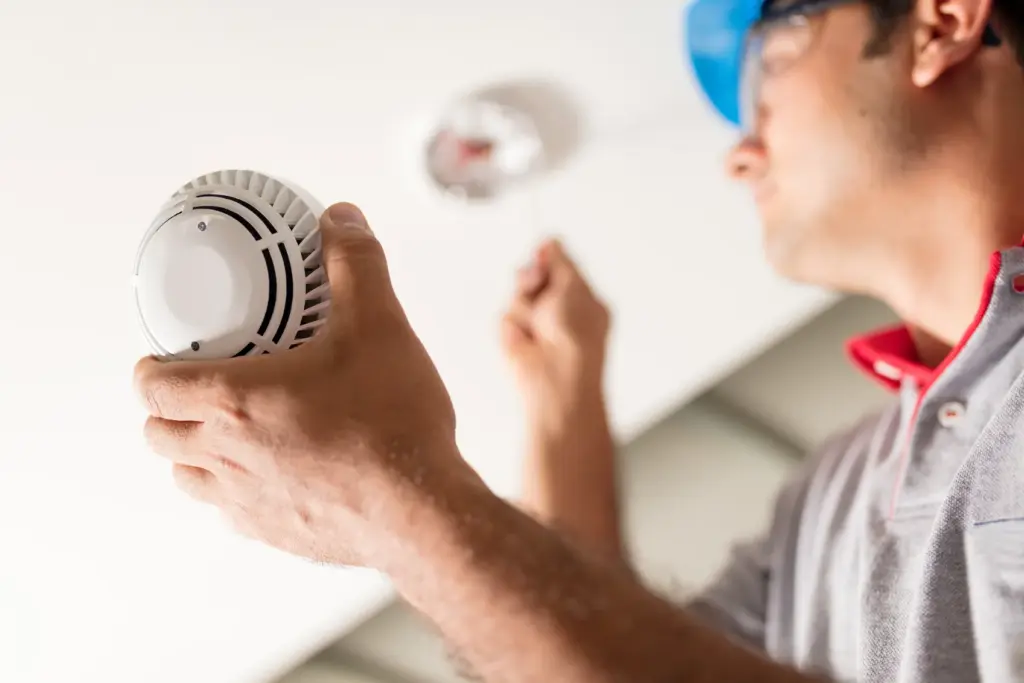
One of the most critical aspects of fire safety in rental properties is the installation and maintenance of a smoke alarm, along with a carbon monoxide alarm, and fire alarms. Landlords are legally required to ensure that working alarms are present in their properties, with an annual gas safety check conducted as well. The National Fire Protection Association (NFPA) advises installing heat detectors in kitchens, particularly those with a solid fuel-burning appliance, and fitting additional smoke alarms in living rooms and hallways between flats.
Landlords must test these alarms between each tenancy and regularly during tenancies to ensure they are in good working order. It is recommended to have alarms installed or checked by a qualified electrician and a Gas Safe engineer to guarantee compliance with safety regulations. Maintaining functional alarms allows landlords to warn tenants early in case of fire or carbon monoxide leaks, reducing the potential for harm.
Access to Escape Routes
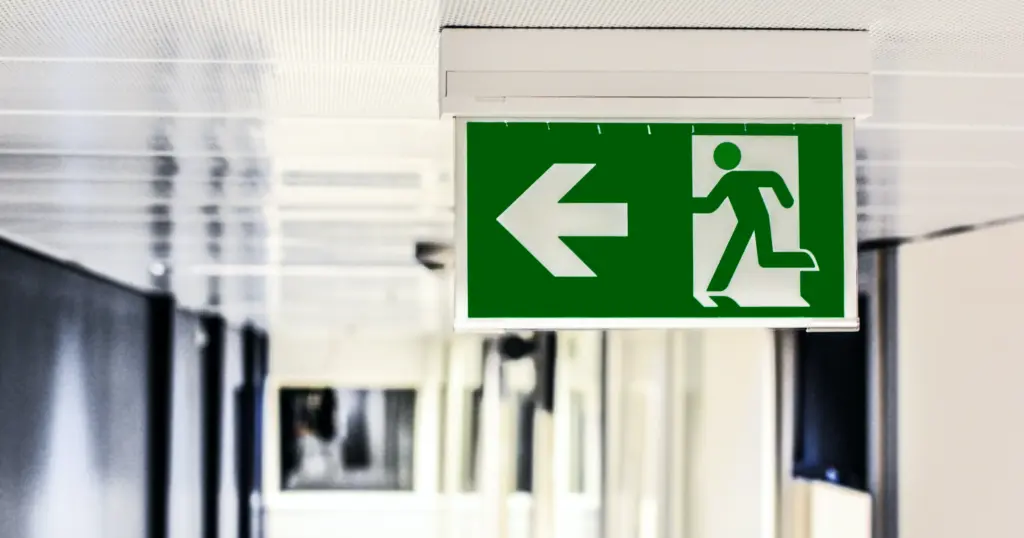
Another crucial aspect of fire safety is ensuring that tenants have clear and accessible escape routes in case of a fire. A comprehensive escape plan should be created and posted for each rental unit, depicting exits, windows, stairs, and fire escapes. Landlords must ensure that these escape routes are illuminated, labeled, and free from obstructions to facilitate a swift and safe evacuation in case of an emergency.
Landlords need to be mindful of possible obstructions in escape routes, including:
- Blocked exits
- Locked doors
- Doors without automatic closing features
- Barriers that could hinder the fire service
It is recommended that landlords conduct an assessment of the accessibility of escape routes at least annually, ensuring tenants’ safety and compliance with fire safety regulations.
Fire-Resistant Furniture and Furnishings
Furniture and furnishings provided by landlords must meet fire safety standards, as they can significantly impact the spread of a fire within a rental property. By selecting fire-resistant materials and following fire safety regulations, landlords can minimize the risk of fire-related incidents in their properties.
While landlords are not required to inspect tenants’ furniture for fire safety, they should verify that their supplied furnishings comply with fire safety regulations, as indicated by the manufacturer’s labels.
Electrical and Gas Safety Checks
In addition to providing alarms and maintaining escape routes, landlords must also conduct regular electrical and gas safety checks to prevent fires. These inspections ensure that:
- Electrical wiring
- Sockets
- Fuse boxes
- Gas appliances
Ensuring rental properties are safe and compliant with safety regulations for landlords is crucial. Monitoring these potential hazards closely helps landlords greatly reduce the chances of electrical fires and gas-related incidents in their rental properties.
Landlords are legally obliged to make sure all electrical wiring, sockets, and fuse boxes remain safe during the tenancy. This includes all periods of the tenancy. Electrical installations must be reviewed by an experienced and qualified individual at least every five years.
Furthermore, annual gas safety checks must be conducted by a qualified Gas Safe registered engineer, with a Landlord Gas Safety Record provided to tenants in accordance with the regulations.
Electrical Installations and Appliances
Landlords must ensure that electrical installations and appliances in their rental properties are inspected and tested by a qualified professional every five years. These inspections help identify potential hazards, such as faulty wiring or outdated equipment, which may pose a risk to tenants. Regular inspections not only keep the property safe but also ensure compliance with legal requirements.
Upon completion of an inspection, landlords will receive an Electrical Installation Condition Report (EICR), which outlines the condition of all electrical installations, wiring, fuse boxes, sockets, etc. It is recommended to renew the EICR every three to five years to ensure continued compliance with safety regulations and to address any issues that may arise during the tenancy.
Annual Gas Safety Inspections
Landlords must get an annual gas safety inspection by a trained and certified gas-safe engineer. Such an inspection is compulsory as per the regulations. These professionals are certified by the Gas Safe Register to safely and competently work with gas appliances and installations, ensuring that gas work is conducted in a safe and compliant manner. The annual inspection is an essential part of maintaining a safe living environment for tenants and reducing the risk of gas-related incidents.
The annual gas safety inspection involves a comprehensive examination of all gas appliances in the rental property, conducted every 12 months. Landlords must retain a record of the annual gas safety checks for a minimum of 2 years. Failure to comply with these inspections can result in unlimited fines and/or six months of imprisonment, emphasizing the importance of adhering to these regulations for the safety of tenants and the protection of the landlord’s investment.
Fire Safety Regulations for Different Types of Rental Properties
Fire safety regulations, also known as fire regulations, can vary depending on the type of rental property in question. Different types of rental properties, such as single dwellings, Houses in Multiple Occupation (HMOs), and blocks of flats, have their own unique set of fire safety regulations. Knowing the specific regulations applicable to your property is key to maintaining compliance and a safe living environment for your tenants.
HMO Fire Safety Regulations
Houses in Multiple Occupation (HMOs) are subject to stringent fire safety regulations due to the increased risks associated with multiple occupants and shared facilities. In HMOs, landlords are required to provide fire doors and extinguishers, with fire doors leading to escape routes and fitted with automatic closing mechanisms. Additionally, fire extinguishers and fire blankets must be provided and inspected regularly.
To ensure compliance with HMO fire safety regulations, it is essential to consult with your local council and HMO enforcement officers who can provide guidance on the specific requirements for your property. Complying with these stringent regulations allows landlords to provide better protection to their tenants and lessen the chances of fire-related incidents in HMOs.
Fire Safety in Flats
Landlords of flats have additional fire safety responsibilities beyond those of single-family homes. In addition to the requirements for smoke alarms and fire-resistant furniture, landlords of flats must also ensure proper maintenance of fire safety equipment and measures throughout the building, such as emergency lighting and fire doors.
Landlords of flats need to communicate fire safety rules and expectations to tenants through the lease agreement or other means. Making sure tenants understand their responsibilities and are aware of potential hazards in the building helps landlords reduce fire-related risks and foster a safer environment for everyone.
Fire Risk Assessments
Conducting regular fire risk assessments is a crucial aspect of maintaining a safe living environment for tenants. Landlords are responsible for carrying out these assessments to identify potential risks and implement measures to address them. A fire risk assessment should be reviewed every two years and revised every four years, with more frequent reviews for older properties or those exceeding three stories.
Many Fire and Rescue services offer a complimentary ‘Safe and Well’ initiative, providing home visits to detect potential hazards and assist in establishing an evacuation plan in the event of a fire. Leveraging these resources and carrying out comprehensive risk assessments allows landlords to offer better protection to their tenants and properties against possible fire hazards.
Fire Safety Equipment and Measures
Landlords are obligated to provide and maintain fire safety equipment and measures in their rental properties, such as fire extinguishers and emergency lighting. These measures not only help to minimize the risk of fire-related incidents but also ensure compliance with fire safety regulations.
It is essential for landlords to regularly inspect and service fire safety equipment to guarantee its proper functioning. Such actions can include:
- Checking the pressure gauge on fire extinguishers
- Ensuring that fire blankets are readily accessible
- Verifying that emergency lighting is functioning correctly
Regular inspection and maintenance of fire safety equipment and measures help landlords ensure a safer living environment for their tenants.
Fire Extinguishers and Fire Blankets
Fire extinguishers and fire blankets are required in HMOs and should be checked regularly to ensure they are in good working condition. A foam fire extinguisher is particularly suitable for HMOs, as it can effectively manage Class A (paper, wood, textiles) and Class B (flammable liquids) fires.
Landlords should also ensure that tenants receive basic training on how to use fire extinguishers and fire blankets effectively. Offering this training and maintaining these crucial fire safety tools allow landlords to greatly lower the chance of fire-related incidents in their properties.
Emergency Lighting and Fire Doors
Emergency lighting and fire doors play a crucial role in ensuring tenant safety during a fire. Emergency lighting provides a secure source of illumination, facilitating the evacuation of the building, while fire doors are engineered to limit the progression of smoke and flames.
Landlords should implement a suitable system of maintenance for emergency lighting in their rental properties and regularly inspect and test the lighting to ensure it is functioning correctly. Fire doors should also be regularly inspected and meet rigorous safety regulations, including being fitted with automatic closing mechanisms.
Maintaining these vital fire safety measures helps landlords protect their tenants and properties more effectively against potential fire hazards.
Staying Updated on Fire Safety Legislation and Guidance
As a landlord in Texas, staying informed about fire safety regulations is crucial, and seeking professional advice is essential for compliance. Fire safety laws in Texas may undergo periodic updates, and recent changes may include amendments to existing regulations or the introduction of new legislation. To stay current with fire safety regulations in Texas, landlords can refer to official state government websites and seek guidance from legal professionals to ensure their properties adhere to all necessary safety standards.
Tenant Responsibilities for Fire Safety
While landlords bear the main responsibility for fire safety in rental properties, tenants also play an important role in keeping the environment safe. Tenants are required to:
- Familiarize themselves with fire safety regulations
- Keep escape routes clear
- Follow fire safety instructions provided by landlords
- Report any fire hazards or safety concerns immediately
By fulfilling these responsibilities, tenants can help prevent fires and reduce potential fire incidents throughout the premises.
Landlords should communicate fire safety rules and expectations to tenants through the lease agreement or other means, ensuring that tenants are aware of their responsibilities and potential hazards. By fostering a cooperative relationship between landlords and tenants, potential fire risks can be effectively mitigated, creating a safer living environment for all occupants.
Landlord Insurance and Fire Coverage
Landlord insurance typically covers fire-related damages, providing financial protection for property owners in the event of a fire incident. However, it is crucial for landlords to meet all legal requirements and maintain evidence of adherence to fire safety regulations for claims to be valid.
Ensuring compliance with fire safety legislation and maintaining appropriate insurance coverage allows landlords to protect their investments and shield their tenants from the devastating impacts of fire-related incidents.
Prioritizing Fire Safety in Rental Properties
Fire safety is a critical aspect of managing rental properties that should never be overlooked. Landlords must adhere to fire safety regulations, conduct regular inspections and risk assessments, provide and maintain fire safety equipment, and communicate with tenants to ensure a safe living environment. By taking these necessary precautions and fostering a cooperative relationship between landlords and tenants, potential fire risks can be effectively mitigated, creating a safer living environment for all occupants.
Chris Morrow Law, PLLC – The Lawyer That Works
At Chris Morrow Law, PLLC, we want legal representation to be available to all, no matter what their situation. Our passion is seeking the fair and reasonable treatment, compensation, and justice you deserve. We will work tirelessly around the clock to ensure you have the highest chance of success.
Our attorneys have a long history of successful cases, and our long list of happy clients speaks for itself. We are as skilled in the courtroom as we are outside of it, so you can rest easy knowing that we are the right team for the job, whether that is seeking a quick and fair settlement or going the distance in court.
Our team of highly experienced Austin premise liability lawyers has been fighting compassionately on behalf of our clients since 1994, giving us over 25 years of experience. Give us a call today at 512-520-8100.
Frequently Asked Questions
Who is responsible for fire safety on most premises?
As a landlord, you are generally responsible for fire safety on your premises. Ensuring a safe living environment includes complying with fire safety regulations, conducting regular inspections, and providing and maintaining necessary fire safety equipment. It’s essential to stay informed about your responsibilities under local and state laws, as well as any updates or changes to fire safety regulations. By taking proactive measures and fostering open communication with tenants, you contribute to creating a secure environment and mitigating potential fire risks on your property.
What are the main fire safety responsibilities of a landlord?
As a landlord, it is your responsibility to provide smoke alarms and ensure clear escape routes for tenants, as well as utilize fire-resistant furniture where necessary.
How often should fire risk assessments be reviewed and revised?
Fire risk assessments should be reviewed every two years and revised every four years, ensuring that older properties or those exceeding three stories receive more frequent reviews.
What types of rental properties have specific fire safety regulations?
Rental properties such as single dwellings, Houses in Multiple Occupation (HMOs), and blocks of flats have their own specific fire safety regulations.
How often should landlords inspect fire safety equipment such as fire extinguishers and fire blankets in HMOs?
Landlords should inspect fire safety equipment such as fire extinguishers and fire blankets in HMOs annually for ideal practice.