Imagine you’re walking through the grocery store, and suddenly you slip and fall on a wet floor with no warning sign. Do you know how to handle this situation? Every day, countless people experience slip and fall accidents, often resulting in injuries and legal complications. Understanding the factors that contribute to these incidents, the injuries that may occur, and the legal aspects of pursuing a claim can prepare you to navigate this challenging experience more effectively.
By enlisting the help of Chris Morrow Law, PLLC, you ensure that you have a dedicated advocate who focuses on slip and fall cases. Our experienced team can assess the circumstances, gather evidence, and guide you through the legal process. Don’t bear the burden alone—let us help you pursue the compensation you deserve for medical bills, pain, and suffering. Take the first step towards justice by reaching out to Chris Morrow Law, PLLC at 512-520-8100 for a free consultation, and let us support you in your journey to recovery.
The Dynamics of Slip and Fall Incidents
A slip and fall accident occurs when a person sustains an injury on someone else’s property due to hazardous conditions, such as insufficient lighting or wet floors. These incidents can happen at various locations, from commercial properties like malls and grocery stores to residential areas and government-owned spaces.
What triggers slips, trips, and missteps on someone else’s property? What steps can property owners take to lessen the likelihood of falls?
Mechanics Behind Slips, Trips, and Missteps
Slips, trips, and missteps refer to accidents involving a loss of traction, uneven surfaces, or obstacles that cause a person to lose balance and fall. Common factors contributing to slip and fall accidents include standing liquids on floors, uneven surfaces, and obstacles. Hazardous conditions like reduced traction, uneven surfaces, and obstructions can lead to serious injuries or even traumatic brain injury.
Hardwood, stone, and concrete flooring can present an increased risk of slip and fall accidents. Decreasing the likelihood of slips on slippery floors can be achieved by:
- Property owners placing rugs or carpeting
- Ensuring hazardous equipment or tools are stored correctly
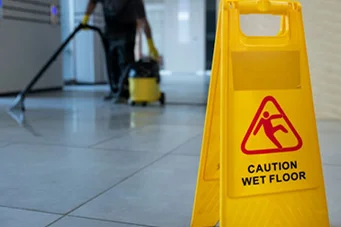
- Employees advise customers if they mop or wax the floors
- Ensuring proper warning signs are in place to prevent accidents.
Common Locations for Slip and Fall Accidents
Slip and fall accidents can occur in various locations, including malls, grocery stores, apartment buildings, and workplaces. Liability for accidents on commercial property can be attributed to hotels, homeowners, restaurants, employers, and employees. To determine liability in slip and fall cases on commercial property, the care taken by the property owner or occupier to ensure safety is evaluated.
To make landlords accountable for slip and fall injuries on rental property, tenants must provide evidence of the landlord’s liability for the injury. Slip and fall injuries on government property are subject to:
- Stringent notice requirements
- Broad immunity provisions
- Formal notice of injury
- Demonstration of government negligence
Preventative Measures to Reduce Fall Risks
Property owners and occupiers must maintain their premises and ensure they are reasonably safe. If a warning sign isn’t put up by an employee while mopping the floor, the property owner could be held accountable for a slip and fall accident. Tenants can pursue a slip and fall case against their landlord if the landlord was aware of a hazardous condition and neglected to address it.
Stores and companies have a responsibility to ensure the safety of their customers on the premises. By taking preventative measures, property owners can minimize the risk of slip and fall accidents and protect themselves from potential legal claims.
Injuries Associated with Slip and Fall Accidents
Slip and fall accidents can result in a variety of injuries, ranging from minor bruises to severe, life-altering injuries. Fall accidents occur in about one in five falls, resulting in serious injuries.
Consulting a physician following a slip and fall injury is crucial, as a medical report detailing the injuries sustained may be beneficial should you choose to pursue legal action.
What range of injuries can result from slip and fall accidents? What are the effects of severe injuries, such as spinal cord and traumatic brain injuries?
From Minor Bruises to Serious Injury
A slip and fall accident can result in a range of injuries, such as:
- Bruises
- Scrapes
- Cuts
- Sprains and strains
- Dislocations
- Fractures
- Broken Bones
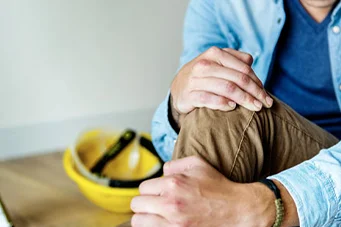
- Knee injuries
- Neck injuries
- Back and spine injuries
- Head and brain injuries
In more serious cases, herniated discs and spinal cord damage may occur, resulting in long-term disability or paralysis.
Minor and severe injuries from slip and fall incidents can lead to symptoms like:
- Persistent pain
- Sudden sharp pain
- Signs of head trauma
- New back pain
- Consequences of fractures or herniated discs such as chronic pain, nerve damage, or paralysis
For minor injuries like sprains or strains, the R.I.C.E. approach (Rest, Ice, Compression, and Elevation) is recommended. However, medical attention should be sought if the pain or swelling worsens or if there is difficulty moving the affected area.
Consequences of Spinal Cord and Traumatic Brain Injuries
Spinal cord and nerve damage can result in catastrophic injuries that can have a lasting impact on an individual’s quality of life. Potential signs and symptoms of a spinal cord injury after a slip and fall accident can include:
- Sensations of pressure or pain
- Respiratory difficulties
- Discomfort
- Urinary complications
- Back traumas such as fractures or herniated discs
- Chronic pain
- Nerve damage
- Paralysis
- Inability to move certain limbs
Traumatic brain injuries can cause:
- Disorientation
- Slurred speech
- Memory loss
- Confusion
- Blurred vision
- Altered mood
- Other cognitive and physical impairments in the daily life of a slip and fall accident victim
In certain circumstances, spinal cord injuries can cause tetraplegia, which is the paralysis of all four limbs and the torso.
Legal Aspects of Slip and Fall Claims
Grasping the legal components of slip and fall claims is important for individuals who have experienced a fall accident. Premises liability laws provide the legal basis for such claims, outlining the responsibilities of property owners about injuries that occur on their premises.
To successfully pursue a slip and fall claim, it is necessary to establish negligence on the part of the property owner, including a breach of duty, causation, and damages. But how can one prove a property owner’s negligence and what does premises liability entail?
Premises Liability
Premises liability is a legal concept that outlines the responsibilities of property owners about injuries that occur on their premises. The principal components of premises liability include duty of care, breach of duty, injury or damage, and causation. Common examples of premises liability cases include slip and fall incidents, swimming pool injuries, falling tree accidents, dog bites, hotel accidents, construction site negligence, parking lot accidents, inadequate property security, and snow and ice accidents.
Premises liability is distinct from other forms of personal injury law in that it concentrates on the site of the injury, particularly addressing hazardous conditions on someone’s property. Conversely, personal liability pertains to an individual’s own actions that caused the injury.
Proving Property Owner’s Negligence
To demonstrate negligence in a slip and fall case, it is necessary to establish a breach of duty, demonstrate causation, and prove damages. Types of evidence typically employed to demonstrate negligence in slip and fall cases include documentation of the incident, eyewitness testimony, maintenance records, professional testimony, and prior incidents or complaints.
A victim, with the help of an experienced lawyer from a firm such as Chris Morrow Law, PLLC, can demonstrate a breach of duty by providing evidence that the property owner or occupier failed to uphold their obligation to keep the environment safe and prevent hazards that could cause a slip and fall accident. To demonstrate causation and damages in a slip and fall incident, it is necessary to establish a connection between the incident and the negligence of the property owner or occupant, and to provide evidence that the injuries and damages suffered are a direct result of the incident.
What Kinds of Compensation is There for Slip and Fall Injuries
If you have suffered injuries in a slip and fall accident, you may be eligible for compensation to cover both economic and non-economic losses. Factors taken into consideration when determining the worth of a slip and fall case include economic damages, such as medical bills and lost wages, and pain and suffering.
How do we calculate compensation for slip and fall injuries? What kinds of economic and non-economic damages can be claimed?
Medical Bills and Lost Wages
In a slip and fall case, you may be eligible to claim the following medical bills related to the injuries sustained as a result of the accident:
- Hospital visits
- Doctor consultations
- Diagnostic tests
- Medications
- Physical therapy
- Any other necessary medical treatments
To calculate lost income in a personal injury claim, the amount of time missed from work is multiplied by the individual’s hourly wage or salary. To substantiate a claim for lost income in a slip and fall case, you will need to provide the following evidence:
- Medical evidence demonstrating the extent of your injuries and their impact on your capacity to work.
- Financial information such as pay stubs or tax returns to establish your pre-accident income.
- Documentation from your employer verifying the amount of time you missed from work and the corresponding lost wages.
- Any other pertinent evidence that can support your claim for lost income.
Pain, Suffering, and Other Non-Economic Damages
Pain and suffering, emotional distress, and loss of enjoyment of life are all non-economic damages that may be recoverable in a slip and fall case.
- Pain and suffering typically refer to the physical and emotional distress caused by an injury.
- Emotional distress pertains to the mental anguish resulting from the injury.
- Loss of enjoyment of life encompasses the lasting impact or toll the injury has on the victim’s ability to enjoy life.
Pain and suffering in a slip and fall case are typically determined using the multiplier method and the per diem method. The multiplier method multiplies the economic damages by a multiplier, usually between 1.5 and 5. The per diem method calculates a daily rate of pain and suffering and multiplies it by the number of days the individual experienced pain.
The Role of a Personal Injury Attorney in Fall Cases
A personal injury attorney is equipped to:
- Comprehend the intricate particulars of slip and fall cases
- Maneuver the legal framework proficiently
- Acquire essential documentation
- Ascertain responsibility
- Bargain with insurance firms
- Represent the interests of the injured party in court
What Are the Advantages a Personal Injury Attorney Can Offer When Dealing with Slip and Fall Injuries?
A personal injury attorney brings crucial advantages when handling slip and fall injuries. With specific legal experience, they navigate complex regulations and assess your case objectively, determining liability and estimating fair compensation. Attorneys conduct thorough investigations, gathering evidence to strengthen your case and leverage their negotiation skills to engage with insurance companies for optimal settlements. Their courtroom experience allows effective representation if a settlement isn’t reached, while their focus on legal matters enables you to prioritize recovery. Additionally, many personal injury attorneys work on a contingency fee basis, reducing financial strain and ensuring their dedication to securing maximum compensation for your losses.
Free Consultation to Assess Your Case
The purpose of a free consultation in a slip and fall case is to provide the injured person with an opportunity to:
- Discuss their case with a lawyer
- Receive an initial assessment of the situation
- Have the lawyer review the details of the accident and gather information
- Ascertain whether there is a potential legal claim
Additionally, this consultation gives the injured person the chance to ask questions and understand their rights and options.
During a free consultation for a slip and fall case, you are expected to provide details of the accident, injury, or illness that took place. Additionally, it is essential to bring any evidence you possess to support your case. A free consultation can provide valuable information and guidance, enabling the victim to make an informed decision about whether to pursue the claim or not.
Guidance Through the Legal Landscape
An attorney such as Chris Morrow Law, PLLC can provide the following services in simplifying the legal aspects of a slip and fall claim:
- Legal guidance
- Representation
- Collecting evidence
- Obtaining medical files and witness documentation
- Proving negligence to support the claim
- Determining the value of the claim
- Negotiating a settlement on behalf of the injured party
An attorney can offer extensive support to help a client understand their rights in a slip and fall claim. This support includes:
- Evaluating the case
- Elucidating the legal process
- Offering advice on liability
- Formulating a legal strategy
- Aiding with evidence collection
- Handling negotiations
- Representing the client in court.
How Chris Morrow Law, PLLC Can Help You
Understanding the dynamics of slip and fall incidents, the injuries that can result, and the legal aspects of pursuing a claim can empower you to navigate this challenging experience with confidence. If you or a loved one has been a victim of a slip and fall accident, don’t hesitate to seek legal assistance to ensure your rights are protected and to pursue the compensation you deserve.
At Chris Morrow Law, PLLC, we work on all types of slip and fall cases and provide personalized attention and a commitment to obtaining the most advantageous outcome for our clients. If you have suffered injuries in a slip and fall accident, contact us today for a free consultation to assess your case and learn how we can help you navigate the complex legal landscape of slip and fall claims.
Chris Morrow Law, PLLC – The Lawyer That Works
At Chris Morrow Law, PLLC, we want legal representation to be available to all, no matter what their situation. Our passion is seeking the fair and reasonable treatment, compensation, and justice you deserve. We will work tirelessly around the clock to ensure you have the highest chance of success.
Our attorneys have a long history of successful cases, and our long list of happy clients speaks for itself. We are as skilled in the courtroom as we are outside of it, so you can rest easy knowing that we are the right team for the job, whether that is seeking a quick and fair settlement or going the distance in court.
Our team of highly experienced Austin premises liability lawyers have been fighting compassionately on behalf of our clients since 1994, giving us over 25 years of experience. Give us a call today at 512-520-8100.
Frequently Asked Questions
What is an example of a slip fall?
Slipping and falling is a common occurrence that can happen when there are liquids, dust, or granules on the floor that cause you to lose your balance.
What is the most common cause of slip and fall accidents?
Wet and uneven surfaces are the most common cause of slip and fall accidents, accounting for 55% of these types of accidents globally. Hazards such as loose floorboards can further increase the risk of such accidents.
What injury is most commonly the result of a slip and fall?
Fractured or broken bones are the most commonly reported injuries due to slips and falls. Other common injuries include leg and arm abrasions, head and hip wounds, bruises, strains, and soft tissue damage. In extreme cases, these falls can cause serious brain trauma, spinal cord injuries, and other types of severe trauma.