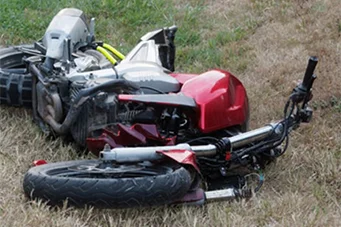
 Determining who is responsible for your injuries if a truck driver was speeding in Leander can be challenging. After a truck accident, you may feel overwhelmed by serious injuries and mounting medical bills. Legally, liability means being responsible for one’s actions or lack of actions. If a truck driver was speeding and caused an accident, the driver and the trucking company could be held responsible for your injuries. This means they may have to pay for your medical expenses, lost wages, and other damages.
At Chris Morrow Law, PLLC, we understand the complexities of truck accident cases and are here to help you every step of the way. We offer free consultations to discuss your case and explore your options. Don’t wait—call us today at 512-520-8100 to speak with an experienced attorney who can guide you through the process and fight for the compensation you deserve.
Determining Liability in Truck Accidents
Determining liability in truck accidents is crucial because it identifies who is responsible for the injuries and damages. There are several causes of truck accidents, ranging from human error and equipment malfunctions to speeding and improper loading. Understanding these causes is essential for determining liability and taking preventive measures to reduce the risk of truck accidents.
- Human error
- Equipment malfunctions
- Speeding
- Improper loading
- Poor weather conditions
- Inadequate maintenance
- Violation of traffic regulations
Thorough investigations are necessary to determine cause and fault. A detailed look at the accident and the actions of everyone involved helps determine who is at fault.
To figure out liability, it’s important to analyze the roles of the truck driver, the trucking company, and any other parties that might be responsible. Each of these factors plays a significant role in the outcome of a truck accident claim. At Chris Morrow Law, PLLC, we carefully review each party’s role in the accident to ensure everyone responsible is held accountable. This thorough approach helps you get the compensation you deserve.
The Role of the Truck Driver in a Speeding Accident
Truck drivers play a crucial role in keeping our roads safe, and their actions can greatly affect the chances of accidents. When a truck driver speeds, the risk of an accident goes up significantly because of the truck’s large size and heavy weight. Speeding makes it harder for the driver to react quickly to changes in traffic, increases the distance needed to stop, and can cause the driver to lose control, especially in bad weather or on curvy roads.
Speeding also makes crashes worse, often leading to more serious injuries and greater damage to property. Truck drivers who are under pressure to meet tight delivery schedules might be more likely to speed, which can compromise safety and increase the risk of accidents.
Besides the immediate dangers, speeding can point to larger issues like poor training, bad judgment, or ignoring traffic laws. These factors show how important it is for truck drivers to follow speed limits and drive safely to avoid accidents.
The Role of Trucking Companies in a Truck Speeding Accident
Trucking companies can be held responsible for your injuries in certain situations. Through vicarious liability, the company is responsible for its employees’ actions while they are working. If a truck driver was speeding or being careless on the job, the trucking company could be held accountable for any injuries and damages that result.
Additionally, trucking companies must follow strict federal and state rules about driver training, vehicle maintenance, and how they operate. If they don’t follow these rules, they can be held liable. For example, if the company didn’t properly train the driver, skipped regular vehicle maintenance, or encouraged unsafe driving practices like speeding to meet tight delivery schedules, they could be responsible for the accident.
Moreover, some trucking companies might engage in dishonest practices like falsifying logbooks or ignoring safety regulations, which can make them even more liable. Proving the company’s negligence often requires a thorough investigation into their practices and records.
Other Liable Parties in a Truck Speeding Accident
In addition to the truck driver and the trucking company, several other parties may be held responsible for a truck accident. One such party is the manufacturers of truck parts. If a mechanical failure, such as faulty brakes or defective tires, contributed to the accident, the manufacturer of the truck parts could be held liable. Defective components can lead to catastrophic failures that cause accidents, making it essential to investigate the role of manufacturers in the incident.
Another potentially liable party is the cargo loaders. Improperly secured or overloaded cargo can cause a truck to lose control, leading to serious accidents. Cargo loaders are responsible for ensuring that the cargo is loaded correctly and safely. If their negligence in securing the load contributed to the accident, they could be held accountable.
Government entities may also share liability in truck accident cases. Poor road conditions, faulty traffic signals, or inadequate signage can be significant factors in causing accidents. In such cases, the government entities responsible for road maintenance and traffic management may be held accountable. Proving government liability can be complex, often requiring thorough investigation and documentation of the road conditions and maintenance records.
Understanding who is responsible for a truck speeding accident is crucial for a comprehensive approach to a claim, ensuring that all responsible parties are held accountable. At Chris Morrow Law, PLLC, our personal injury attorneys are skilled in identifying and pursuing all liable parties to maximize your compensation and hold those responsible accountable for their actions.
What to Do After a Truck Speeding Accident
A truck speeding accident can be scary and confusing. Here are some simple steps to follow to protect yourself and your rights:
- Check for Injuries and Call 911: Make sure you and others are safe. If anyone is hurt, call 911 right away. Even if injuries seem minor, it’s best to get checked by a doctor.
- Report the Accident to the Police: Call the police to report the accident. A police report will document what happened and can be important later on.
- Gather Information: If it’s safe, take pictures of the accident scene, the vehicles, and any injuries. Get contact information from witnesses and the truck driver, including their license and insurance details.
- Don’t Admit Fault: Be careful about what you say. Don’t admit fault or say anything that might be taken as admitting guilt when talking to the truck driver, witnesses, or police.
- Contact Your Insurance Company: Let your insurance company know about the accident as soon as you can. Give them the details they need and cooperate with their investigation.
- Consult a Truck Accident Lawyer: Reach out to a truck accident lawyer for help. They can guide you through the legal process, gather evidence, and fight for the compensation you deserve.
- Keep Detailed Records: Keep all records of medical treatments, expenses, and any communication related to the accident. This information will be important for your case.
Following these steps can help you stay safe and protect your legal rights after a truck speeding accident. At Chris Morrow Law, PLLC, we are here to support you and help you get the compensation you deserve.
Legal Framework for Speeding Violations
In Texas, speeding is a traffic violation that can result in significant liability during an accident. Truck drivers in Texas must follow the same speeding laws as other drivers but may face stricter scrutiny due to their vehicles’ size and weight. Speeding increases the likelihood of an accident and can make the impact more severe, adding to the truck driver’s liability. These laws are designed to ensure road safety, and violating them can have serious consequences.
Federal and state regulations play a critical role in ensuring the safety of truck drivers and the public. Federal regulations for the trucking industry set safety standards and traffic laws for all truck drivers. For instance, truck drivers are limited to a maximum of 11 hours of driving after being off duty for at least 10 consecutive hours. These Hours of Service (HOS) rules aim to prevent driver fatigue and other factors that can lead to speeding and accidents.
Violations of these regulations can greatly impact the outcome of a truck accident case, often benefiting the injured party. To prove negligence, it must be shown that the truck driver did not follow federal and state safety regulations.
Non-compliance can result in hefty fines, legal actions, and increased insurance premiums for both the driver and the trucking company. These regulations aim to prevent accidents caused by driver fatigue and ensure safe vehicle operation by truck drivers.
Proving Negligence in Truck Accident Claims
Proving negligence in a truck accident claim involves establishing that the truck driver or another party failed to act reasonably, leading to the accident and resulting injuries. There are certain essential elements you need to prove negligence in a truck accident claim.
- Duty of Care: Show that the truck driver or another party had a legal obligation to act with reasonable care to prevent harm. Truck drivers have a duty to follow traffic laws, including speed limits, and operate their vehicles safely to protect other road users.
- Breach of Duty: Prove that the truck driver or another party breached this duty of care. Evidence such as speeding tickets, eyewitness accounts, and traffic camera footage can demonstrate that the driver was speeding or otherwise acting recklessly at the time of the accident.
- Causation: Link the breach of duty directly to the accident and the injuries sustained. This means showing that the speeding or other negligent behavior was a substantial factor in causing the accident. Accident reconstruction experts, black box data, and detailed analysis of the accident scene can help establish this connection.
- Damages: Show that the accident resulted in actual damages, such as medical expenses, lost wages, and pain and suffering. Medical records, financial statements, and expert testimony can provide the necessary documentation to support these claims.
Gathering Evidence
Detailed evidence is essential for establishing fault, proving negligence, and securing compensation in truck accidents. There are a few
- Police Reports: Detailed accounts from law enforcement that help clarify the causes of the crash.
- Medical Records: Documentation of injuries and treatments, which are vital for proving damages.
- Photographs: Images of the accident scene, vehicles, and injuries to provide visual evidence.
- Witness Statements: Testimonies from individuals who observed the accident, offering additional perspectives.
- Surveillance Video: Footage from nearby cameras that might have captured the incident.
- Black Box Data: Critical information about the truck’s speed, braking actions, and other factors leading up to the crash.
- Documentation of Lost Wages: Records showing the financial impact of the accident on the victim’s ability to work.
- Accident Reconstruction Reports: Expert analyses that recreate the events of the accident to determine fault.
At Chris Morrow Law, PLLC, we are committed to supporting you through every step of your truck accident claim. Our experienced team of personal injury attorneys will diligently gather and analyze all relevant evidence, ensuring that all responsible parties are held accountable. We can leverage this evidence to negotiate effectively with insurance companies and, if necessary, present a strong case in court. We aim to secure the compensation you deserve by thoroughly documenting and advocating for your rights.
Potential Compensation Recoverable
Truck accidents can cause severe injuries, leading to significant medical expenses and loss of future earning potential for victims. Victims can recover various types of damages: economic, non-economic, and punitive.
Settlement payments can cover most or all medical expenses incurred due to the accident. Economic damages refer to the financial losses a victim suffers, such as medical bills, lost wages, and property damage.
Non-economic damages compensate for pain and suffering, addressing the physical and emotional distress caused by the accident. Victims of truck accidents often endure severe pain, chronic conditions, disabilities, and loss of function. Emotional distress, like anxiety or depression, can arise from the trauma of the accident, making recovery harder. Victims may feel fear, frustration, or sadness, which can be included in non-economic damages.
Punitive damages are meant to punish particularly bad behavior, such as drunk driving, and deter similar actions in the future. These damages are awarded in addition to economic and non-economic damages. In Texas, punitive damages can be substantial, reflecting the severity of the negligence or misconduct.
How Chris Morrow Law, PLLC Can Help You
At Chris Morrow Law, PLLC, we are dedicated to providing personalized and effective legal representation for truck accident victims. Our extensive experience and deep understanding of the complexities involved in truck accident cases set us apart from our competitors. We pride ourselves on our meticulous attention to detail, from thorough investigations to strategic case management.
We understand that each client’s situation is unique, which is why we tailor our legal strategies to meet your specific needs. Our commitment to client satisfaction means we are always available to answer your questions and keep you informed throughout the legal process. Our goal is to ensure that you receive the compensation you deserve while making the process as smooth and stress-free as possible.
We offer free consultations to discuss your case and explore your options. Don’t wait—call us today at 512-520-8100 to speak with a seasoned attorney who can guide you through the process and fight for the compensation you deserve.
Frequently Asked Questions
What should I do if the trucking company denies liability?
If the trucking company denies liability, it’s important to gather as much evidence as possible to support your claim. This includes obtaining police reports, medical records, and any eyewitness testimonies. A skilled truck accident lawyer can help you build a strong case by investigating the accident thoroughly and identifying all responsible parties.
Can I still file a claim if I was partially at fault for the accident?
Yes, you can still file a claim even if you were partially at fault for the accident. Texas follows a modified comparative negligence rule, which means you can recover damages as long as you are not more than 50% at fault. However, your compensation can be reduced by your percentage of fault.
How long do I have to file a truck accident claim in Texas?
In Texas, the statute of limitations for filing a truck accident claim is generally two years from the date of the accident. This means you have two years to initiate legal proceedings, or you may lose your right to seek compensation. It’s advisable to consult with a lawyer as soon as possible to ensure all necessary steps are taken within this timeframe.
What types of evidence are essential for proving a truck driver was speeding?
To prove a truck driver was speeding, several types of evidence can be crucial. This includes black box data from the truck, which records the vehicle’s speed and other vital information at the time of the accident. Additionally, traffic camera footage, eyewitness accounts, and the police report can all provide valuable insights into the truck driver’s speed and behavior leading up to the crash.
Can I sue the truck driver personally in addition to the trucking company?
Yes, you can sue the truck driver personally in addition to the trucking company. If the driver was negligent or violated traffic laws, they can be held individually responsible for their actions. However, the trucking company often has more resources and insurance coverage, making it beneficial to include them in the lawsuit to maximize your potential compensation.