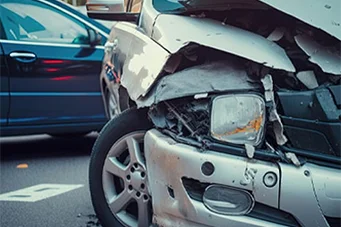
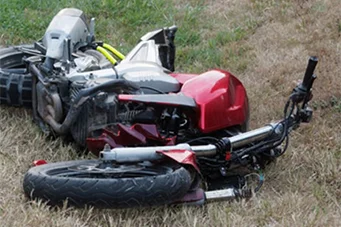
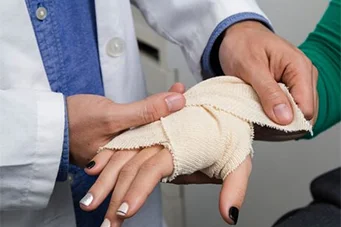
When incidents occur leading to injury or loss, understanding the difference between personal liability and premises liability is crucial for the parties involved. Personal liability centers on an individual’s negligent acts or omissions that cause harm, regardless of location. This means that if someone is injured due to another person’s careless actions, such as a car accident or a slip and fall, the responsible party may be held personally liable for the damages.
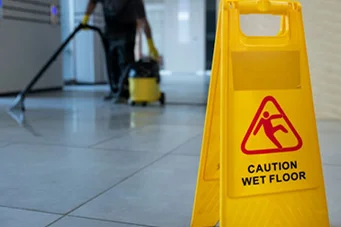
On the other hand, premises liability arises when someone incurs injury due to unsafe conditions on a property, attributing responsibility to the property owner. This means that if someone is injured on someone else’s property due to a hazardous condition, such as a wet floor or a broken staircase, the property owner may be held liable for the damages. It’s important to note that premises liability can also extend to landlords, tenants, and other parties who have control over the property.
If you or someone you know has been injured due to unsafe conditions on a property or due to someone else’s negligence, it’s crucial to seek legal representation immediately. At Chris Morrow Law, PLLC, we handle premises liability and personal injury cases and can help you. Our experienced team of attorneys will work tirelessly to build a strong case and fight for the compensation you deserve. Don’t wait until it’s too late – contact us today by calling 512-520-8100 for a free consultation and take the first step towards securing your future.

Dissecting Liability: Personal vs. Premises
Personal and premises liability may seem like two sides of the same coin, but they differ in their nature of negligence and the required proof for each type of claim.
The Scope of Personal Liability
Personal liability is a broad term that covers a wide range of situations, extending beyond physical injuries. It can encompass emotional distress, defamation, and even car accidents resulting from another’s negligence. The key to understanding personal liability lies in recognizing its root: an individual’s lack of reasonable care, which directly results in harm to another. In personal liability cases, this lack of care is the primary factor in determining the outcome of personal liability claims.
Geographical constraints do not limit this form of liability. Incidents leading to personal liability can occur in any location, not just on a specific property. This is what sets it apart from premises liability, which is tied to a specific location – the property owned or controlled by an individual or entity.
The Realm of Premises Liability
Unlike personal liability, premises liability is tied to a specific location – the property. It pertains to injuries occurring on a person’s property or business, where the owner could be held responsible if the injury results from their failure to maintain safe premises. In such a premises liability case, a premises liability claim focuses on both premises liability and personal liability, potentially leading to a premises liability claim.
The realm of premises liability is vast, extending to conditions on the property, activities conducted on it, and even the conduct of third parties present on the premises. It revolves around the owner’s duty of care, which property owners owe, and calls for regular property inspections, fixing dangerous conditions, and warning visitors about potential risks. Failure to exercise reasonable care can result in the property owner being held liable for injuries sustained on their premises.
Understanding the Legal Nuances of Liability Claims
The world of liability claims may seem confusing, but it all centers around negligence. Understanding this concept and its legal nuances is crucial for anyone embarking on a liability claim journey, regardless of whether it’s personal or premises-based.
Establishing Negligence in Liability Claims
Four essential pillars form the cornerstone of liability claims:
- Duty: refers to the legal obligation to uphold a standard of care to prevent foreseeable harm.
- Breach: occurs when actions or inactions fall below this legally expected standard.
- Causation: establishes a link between the breach of duty and the harm suffered.
- Damages: refers to the actual harm or loss suffered as a result of the breach of duty.
These four pillars are crucial in determining liability in legal claims.
To establish causation, one must demonstrate that this breach of duty directly caused harm. The harm must have been a reasonably foreseeable result of the defendant’s actions. Lastly, plaintiffs can claim damages for:
- physical injury
- property damage
- hospital costs
- lost wages
- pain and suffering.
Duty of Care: A Key Component in Liability Cases
Comprehending liability cases hinges on the concept of duty of care. It refers to the legal obligation to maintain a standard of reasonable care to prevent foreseeable harm to others. While this concept is universal, its application varies between personal and premises liability cases.
In premises liability, the duty of care owed by property owners is influenced by the status of the visitor. Different levels of duty are owed to invitees, licensees, or trespassers. On the other hand, the duty of care in personal liability revolves around whether an individual’s actions were reasonable given the circumstances and may be affected by the relationship between the involved parties.
Understanding Breach in Liability Claims
A breach is a fundamental concept in liability claims, representing the violation of a legal duty of care. When an individual or entity fails to meet the standard of care expected under the law, and this failure leads to an incident causing injury or loss, a breach has occurred. This could manifest in various forms, such as a distracted driver violating traffic laws or a store owner neglecting a spill on the floor.
Causation: The Connecting Thread in Liability Claims
Causation is the link between the breach of duty and the resultant injury or damage. It requires showing that the negligent action was not just a contributing factor, but the direct cause of the harm suffered. This can often be the most difficult element to prove, as it necessitates a clear demonstration that the injury would not have occurred ‘but for’ the defendant’s breach. In legal terms, this is often referred to as the “proximate cause” and is vital for a successful liability claim.
Damages: Assessing the Impact of Negligence
Damages are the quantifiable losses that stem from the breach of duty and causation. They are the actual costs that the injured party has incurred or will incur due to the incident. This can include tangible losses like medical expenses, property damage, and lost wages, as well as intangible losses such as pain and suffering, emotional distress, and loss of enjoyment of life. In liability cases, the goal is to provide a financial remedy that places the injured party in a position as close as possible to where they would have been had the injury not occurred.
Insurance Insights: Coverage for Liability Claims
Insurance serves as a crucial financial safety net against liability claims. Whether it’s personal or premises liability, having the right insurance coverage from a reliable insurance company can help you through the financial implications of these claims.
Personal Liability Insurance
Personal liability insurance, also known as personal liability coverage, comes into play when an individual’s actions (or lack thereof) result in injury to another. It typically covers medical bills for injuries sustained at the policyholder’s home, legal costs from a lawsuit, and accidental property damage caused to others. Personal liability insurance has its limitations and does not cover intentional acts, car accidents, injuries to the policyholder or their household members, or business-related liabilities.
Comprehending the scope and limitations of your personal liability insurance coverage is critical. Policyholders need to understand policy details to ensure they have adequate financial security, especially since personal liability insurance may not cover the full amount of damages awarded in a negligence lawsuit.
Premises Liability Insurance
Premises liability insurance, on the other hand, covers injuries that occur on the property owned by a business or individual. If an injury occurs due to a failure to maintain a safe environment, premises liability insurance can provide financial coverage for legal expenses, potential settlements, and medical expenses.
Premises liability insurance also comes with its limitations. Policy exclusions refer to situations where the policy does not provide coverage, such as for intentional acts or damage to the property of the business itself. Understanding these exclusions is crucial in ensuring comprehensive coverage.
When to Seek Legal Assistance for Your Liability Claim
Consulting an attorney such as Chris Morrow Law, PLLC when faced with liability claims ensures adequate and fair compensation to cover all damages caused by the accident, preventing critical mistakes that could harm your case.
The Role of an Attorney in Maximizing Your Claim
Assessing the full value of your claim, taking into account all the damages – not just the apparent ones, is a crucial role played by personal injury attorneys. They have the skills and experience to:
- Negotiate effectively with insurance companies
- Gather evidence to support your claim
- Calculate the true extent of your damages
- Advocate for your rights
By working with a personal injury attorney, you increase the likelihood of securing the compensation you deserve.
Having legal representation also ensures that your claim is handled professionally, providing you with the peace of mind to focus on recovery. This is why engaging a personal injury attorney is a wise step toward ensuring a successful claim outcome.
Steps After Sustaining an Injury: Personal vs. Premises
There are immediate actions to take after sustaining an injury, whether on private property or due to personal negligence. These steps are vital to ensure your safety, gather evidence, and preserve your legal rights.
Immediate Actions Post-Injury on Private Property
If you’ve been injured on private property, the first step is to document the scene. Take photographs, gather any physical evidence, and obtain information about the property owner and any contributing hazards. Reporting the incident promptly to law enforcement is also crucial, especially if there’s significant injury or material property damage.
Seek immediate medical attention, even if the injury doesn’t seem severe. This ensures proper care and provides official documentation of your injuries, which can support any subsequent liability claim process.
Immediate Actions Post-Injury Due to Personal Negligence
Your safety should be your first priority if you’ve been injured due to personal negligence. Here are the steps you should take:
- Move to a secure location to avoid further harm.
- Perform a self-evaluation to check for injuries.
- Call 911 if necessary.
- Document the accident thoroughly.
- Gather witness statements.
- Secure contact information of all parties involved.
It’s also important to exchange information with the person responsible for the accident without admitting fault. The details about the accident should be communicated only with your doctor and attorney to avoid any statements that might be construed as admitting fault.
Texas-Specific Considerations for Liability Claims
Considering location-specific factors is important when understanding liability claims. In Texas, these factors include the proportionate responsibility system in personal injury cases and the statute of limitations.
Statute of Limitations in Texas
The statute of limitations for personal injury cases in Texas is two years from the date of the injury. This means that if you’ve been injured due to another’s negligence, you have two years from the date of injury to file a lawsuit. It’s critical to act quickly and contact a personal injury lawyer to ensure your lawsuit is filed within this two-year limitations period.
Texas law provides some exceptions to this rule. For instance, the statute of limitations can be extended for persons under a legal disability, such as being a minor or of unsound mind at the time the cause of action accrues. The discovery rule may also apply to toll the statute of limitations if the injury was inherently undiscoverable and could not be found within the two-year statute of limitations through the exercise of due diligence.
Trial Likelihood for Personal Injury Claims in Texas
Despite the intimidating prospect of a lawsuit, remember that only approximately 4-5% of personal injury lawsuits in Texas proceed to trial. Of the personal injury cases that do go to trial, about 90% result in a decision in the plaintiff’s favor.
Under Texas’s modified comparative negligence system, a claimant’s potential recovery is diminished by a percentage equal to their liability. For instance, if a claimant is found to be 30% at fault, their recovery would be reduced by 30%.
Chris Morrow Law, PLLC – The Lawyer That Works
Understanding personal and premises liability claims can be overwhelming. But you don’t have to face it alone. At Chris Morrow Law, PLLC, we bring our wealth of experience and legal knowledge to assist you every step of the way.
We understand the intricacies of these claims, and we are committed to helping you secure the compensation you rightfully deserve. From assessing the full value of your claim to negotiating effectively with insurance companies, we stand with you, providing the professional advocacy you need to safeguard your interests.
At Chris Morrow Law, PLLC, we want legal representation to be available to all, no matter what their situation. Our passion is seeking the fair and reasonable treatment, compensation, and justice you deserve. We will work tirelessly around the clock to ensure you have the highest chance of success.
Our attorneys have a long history of successful cases, and our long list of happy clients speaks for itself. We are as skilled in the courtroom as we are outside of it, so you can rest easy knowing that we are the right team for the job, whether that is seeking a quick and fair settlement or going the distance in court.
Our team of highly experienced Austin personal and premises liability lawyers has been fighting compassionately on behalf of our clients since 1994, giving us over 25 years of experience. Give us a call today at 512-520-8100.
Frequently Asked Questions
What is the difference between premises and personal injury?
Premises liability concerns unsafe conditions on someone’s property, while personal injury deals with someone’s own actions. In both cases, compensation may be warranted if someone was negligent.
Is personal liability the same as property liability?
No, personal liability is about an individual’s actions, while property liability covers damage to someone else’s property. Personal liability pertains to an individual’s legal responsibility for causing harm or injury to someone, while property liability covers damage to another person’s property, such as in a car accident.
What is an example of premises liability insurance?
Premises liability insurance for businesses can cover expenses related to accidents that happen to visitors, such as slip and fall accidents or injuries caused by defective equipment.
What’s the statute of limitations for personal injury cases in Texas?
In Texas, the statute of limitations for personal injury cases is two years from the date of the injury. It’s important to take legal action within this timeframe to protect your rights.
How can an attorney help in a liability claim?
An attorney can assist by evaluating the claim’s value, negotiating with insurance companies, and advocating for your best interests during the process, ensuring you receive fair compensation for the liability claim.